Conclusion

Overall, the Earth is something that we all have in common. To have food, clothing, and shelter are a few of the necessities that we need in order to survive everyday. Without damaging the eco-systems around us, how much better would life be if everyone gets a fair share of goods and services without damaging one another?

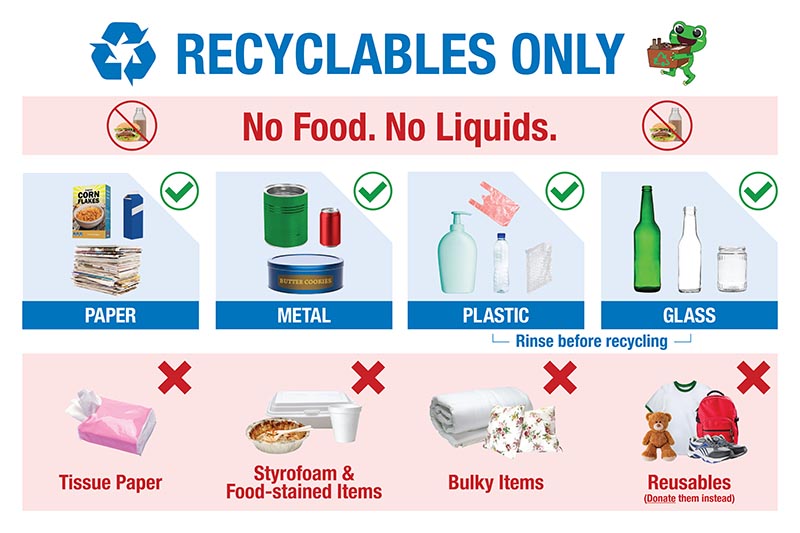
It’s good to get started with an organized garbage can where you can first, educate yourself on how it works, and later educate others on how it works and why we should do it. Moreover, to reduce and reuse is an important part of life in order to lessen the demand for manufacturing items that will only end up in landfills. This includes examples such as bringing a reusable cup when getting coffee, instead of using a coffee cup. The issue with coffee cups is that due to it having a plastic lining, coffee cups cannot be recycled. Another example would be to reuse and recycle by buying clothes from Thrift stores, or using used materials to make new items, and also having substitutes that will last longer than and are more biodegradable than plastics, contaminated foam, chip bags, etc. Lastly, here’s an image that shows you several things that can be recycled and things that cannot be recycled.
“The Earth is what we all have in common.”

Wendell Berry

In conclusion, I hope that I was able to educate you on different ways that we can take care of nature. Besides, “…Since nature is the source of our livelihood, it’s only right that we should also be kind to it. Every person has a moral obligation to take care of nature. Not only, because it takes care of us, but because it’s also the right thing to do” (Coast, 2019). I’m hoping that this blog will have an impact on each reader and will help in keeping a healthy life, as well as a clean environment, to prevent the rise of temperature due to man-made errors, and to educate others on the importance of keeping our environment clean.

References

Green Coast. (2019, October 17). Caring For The Environment: 8 Reasons to Protect & Sustain Earth. Retrieved from Green Coast : https://greencoast.org/caring-for-the-environment/

The Upcycling Method

Lastly, I would like to talk about a method that helps in reusing broken items instead of throwing it out and contributing to the piles of landfill. This can be labelled as The Upcycling Method. The best way to do this is to utilize older pieces to build something new that is of high quality and useful for you today. If you like being creative, you can follow tutorials of Do-It-Yourself furniture building and other things.

“Furniture is a product that uses a lot of materials. But you can reduce that impact as a furniture seller by utilizing older pieces and recycling other materials in the production process.”

Annie Pilon

Moreover, you can also reuse used clothing to make new items. There are plenty of tutorials on YouTube on how you can use old clothing to create something new that you can use more of. Aside from creating something new, you can also invest on Thrift Stores where you can buy good quality of used clothes at a cheaper price. This is also “…an essential part of green living.” (Lawson, 2017). As a lot of energy comes from the creation of clothes in particular, “The production of cotton is highly pesticide-intensive, causing soil acidification and water contamination. Textile manufacturing processes also involve the use of harmful dyes, caustic soda and crude oil by-products. These chemicals are generally dumped into areas around manufacturing units, contaminating surface and ground water through soil runoff.” (Lawson, E., 2017). Perhaps, for every used item that you buy from a Thrift Store rather, you lessen the amount of waste that goes to landfill.

References

Lawson, E. (2017, October 11). How Does Thrift Shopping Help You Save the Environment? Retrieved from Green Living Blog: http://www.greenandprosperous.com/blog/2017/10/11/how-does-thrift-shopping-help-you-save-the-environment

The Recycling Mindset

As I mentioned from my previous post, there are different ways to Recycle in order to help our planet become better and healthier. Here’s a list of small ways in which you can help the cause of living an Environmentally-Friendly Lifestyle which I would label as The Recycling Mindset:

The Recycling Mindset:

  • Invest on organic food/ naturally grown.

Ex: Whole Foods, etc.

The Government of Canada outlines several benefits that comes with organic production. This includes the ability for “organic production [to] sustain and enhance the health of water, soil, plants, animals, humans and the planet… by working with ecological systems and cycles, emulating and helping sustain them” (Book, n.d.).

  • Try to grow plants in your backyard. Also, plants that bear different kinds of fruits.
  • Bring reusable bags for grocery shopping instead of using plastic.

As stated in another blog, “Plastic bags are not easily decomposed and contribute towards the degradation of the environment. A plastic bag can take from 15 to 1,000 years to break down, depending on [the] environment…A lot of oil and natural gas go into the production of plastic bags, which are not recyclable. Choosing reusable bags saves on these non-renewable resources and protects the environment” (Rinkesh, 2020).

  • Replace tall paper towels with reusable cloth towels.
  • Search for eco-friendly skin care products and soap maker.
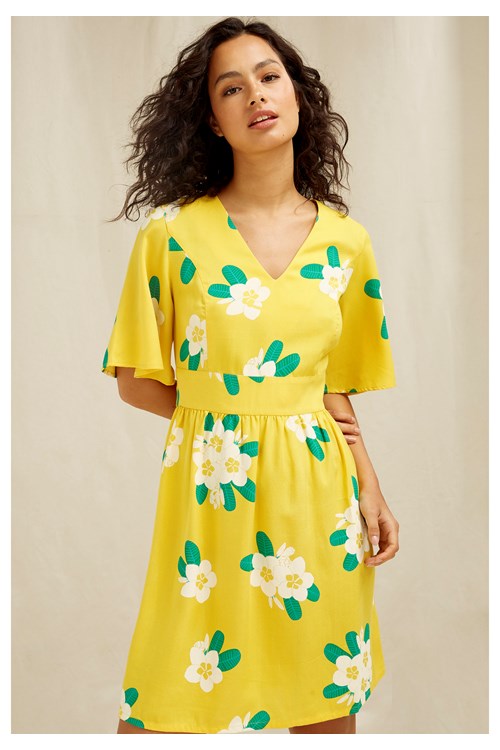
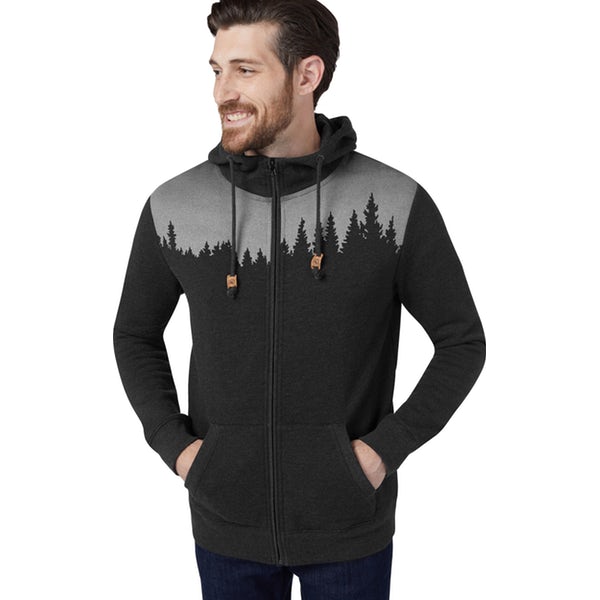
  • Look for eco-friendly clothes and avoid buying clothes made with synthetic fibres.

Ex. Tentree, People Tree, Outdoor Voices, etc.

Tentree: An apparel company based in Vancouver, BC., where for every item purchased, ten trees will be planted. (https://www.tentree.ca/)

People Tree: An apparel company based in London, UK., where their products are eco-friendly, organic, and made with GOTS-approved dyes. (https://www.peopletree.co.uk/)

Outdoor Voices: An apparel company based in Texas, USA., where they sell women’s and men’s activewear using “…textiles with sustainability top-of-mind, including their sustainably-sourced merino wool and recycled polyester made from water bottles.” (https://www.outdoorvoices.com/)

References

Book, M. (n.d.). What Does Organic Really Mean? (Spoiler: More Than you Think). Retrieved from Healthier by Nature: https://www.healthierbynature.ca/fundamentals/what-does-organic-really-mean-spoiler-more-than-you-think/?gclid=EAIaIQobChMIjprBkNm_5wIVB9bACh1HMQF8EAAYASAAEgLX9_D_BwE

Rinkesh. (2020). 30 Breathtaking Reasons to Switch to Reusable Bags. Retrieved from Conserve Energy Future. Be Green. Stay Green.: https://www.conserve-energy-future.com/30-breathtaking-reasons-to-switch-to-reusable-bags.php

Trash Collection and Recycling.

As one may know, we have limited resources, while we have unlimited needs and wants. The process that it takes to make certain items such as “…logging a forest, mining for minerals, or drilling for oils, requires large amounts of energy and causes pollution. Once [the made items] are used, they are simply dumped into the landfill or destroyed in an incinerator. (Toronto Environmental Alliance, 2020)”. On the other hand, “A Zero Waste approach conserves natural resources and reduces pollution from extraction, manufacturing, and disposal. Reusing means fewer products are made, as people buy less, and as products are made to last. Recycling, [also], keeps waste out of landfills and incinerators and provides manufacturers with recycled instead of raw materials to make new goods” (Toronto Environmental Alliance, 2020).

“The greatest threat to our planet is the belief that someone else will save it.”

Robert Swan

To start helping our planet, we have to start with what we can control: which is organizing our own trash. Before starting my Healthy and Environmentally-Friendly lifestyle, I wasn’t very much aware of how sorting garbage cans can help. However, with these two places that I always go to which are Sheridan College, where I go to school, and the Royal Ontario Museum where I volunteer, I realized the importance of sorting trash with organized garbage cans. Aside from these attractive amenities, educating people on how to properly dispose garbage is just as important.

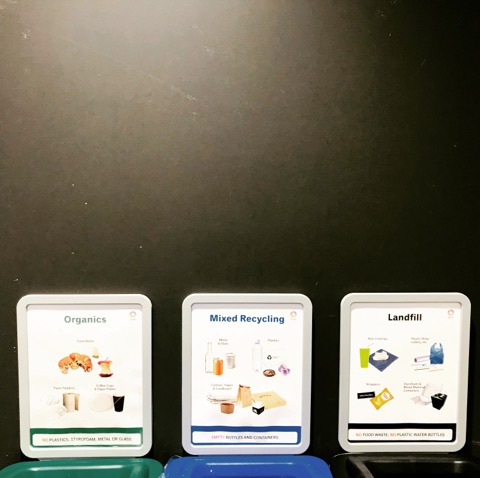
Image 1: Sheridan College’s garbage can labels.

How do we identify which item goes where in an organized garbage can? [Image 1] If you’ve ever tried reading the Organics, Mixed Recycling and Landfill labels and still don’t know where your trash is supposed to go, you’re not alone. I feel that asking and being told about why we should throw garbage properly is a more helpful act. Perhaps the solution to this is to attend events on campus relating to creating Zero Waste.

Another way can be that I can educate you on ways to Recycle, so that together, we can help lessen pollution in our country.

Image 2: Sorted garbage cans.

References

Toronto Environmental Alliance. (2020). Zero Waste Toronto. Retrieved from Toronto Environmental Alliance: https://www.torontoenvironment.org/zerowaste_report

Introduction

For the past few months, I’ve been very careful with the items that I’m buying and consuming in an attempt to live a Healthy and Environmentally-Friendly Lifestyle. I noticed that before working on my goal to achieve zero waste, just seeing how much improvement can be done starting from our home, already had me ecstatic. First, the tiny trash can that I own inside my room, though tiny, it fills up very fast with paper, receipts, and other trash. Seeing this, I thought of ways on how to minimize the household’s trash by controlling my very own trash can first.

Second, I have the tendency to shop a lot, mainly for clothes and other accessories. But did you know that you can shop for clothes that are eco-friendly and made little to no harm to the environment when being made? I wasn’t aware about this fact until a few months ago when I started my shift to an Environmentally-Friendly lifestyle.

Lastly, I find that food that I eat also impacts my goal. Lately, I find myself rejecting food and snacks that I used to have a lot of such as: bubble tea, Chinese food, and unhealthy chips and snacks. This was also interesting because I became healthier, while at the same time, still working towards my goal of achieving zero waste.

“Progress is impossible without change, and those who cannot change their minds cannot change anything.”

George Bernard Shaw

With this new mindset, I knew that change was coming my way and I can’t wait to share with you more information about this new-found routine and how our small actions could have an impact towards our planet Earth.

Design a site like this with WordPress.com
Get started